

Sjogren Syndrome

  • Home
  • Treatments
  • Autoimmune Rheumatic Diseases
Sjogren Syndrome disease Image
Psoriatic Arthritis

Comprehensive Care for Sjogren’s Syndrome

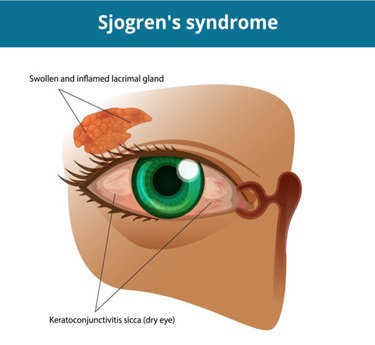
Sjogren's Syndrome is a chronic autoimmune disorder that primarily affects the glands responsible for producing tears and saliva. It leads to dryness in the eyes and mouth, along with fatigue and joint pain. The condition most commonly affects women between 40 and 60 years of age. While not contagious, it can cause discomfort, dental issues, and complications in organs if untreated. Both genetic predisposition and immune system dysfunction contribute to its development. Early care is important to relieve symptoms, prevent complications, and maintain quality of life.

Other symptoms may include dry skin, vaginal dryness, prolonged fatigue, or swelling in the salivary glands. Early diagnosis and treatment with artificial tears, saliva substitutes, immunosuppressants, and disease-modifying drugs can help manage symptoms and reduce inflammation. Regular follow-ups help monitor the condition, adjust medications, and support long-term health and comfort.
Sjogren Syndrome                 symptoms

Sjogren's Syndrome Symptoms

Sjogren's Syndrome is a chronic autoimmune disorder that mainly affects moisture-producing glands, leading to dryness, fatigue, and discomfort in various parts of the body if left unmanaged.

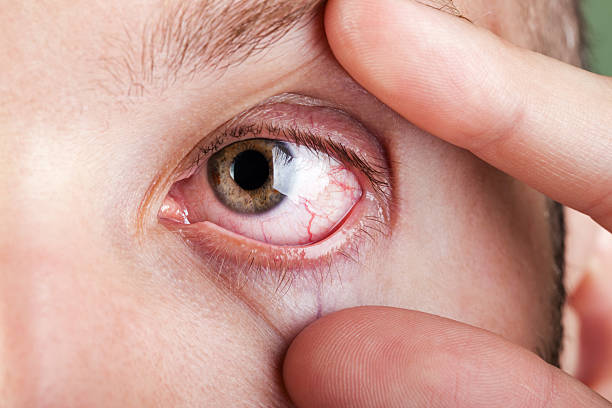
  • Dry eyes that burn, itch, or feel gritty—like sand in the eyes.
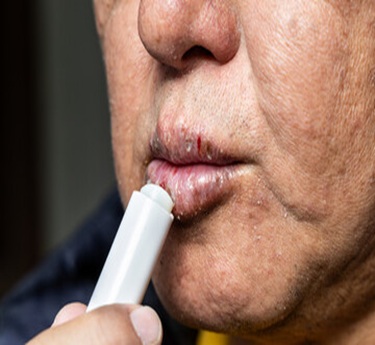
  • Dry mouth with a cottony feel, making speaking or swallowing hard.
  • Joint pain, swelling, and stiffness in hands, knees, or shoulders.
  • Swollen salivary glands, especially near the jaw or ears.
  • Dry or itchy skin and sometimes red or scaly skin rashes.
  • Vaginal dryness causing irritation, discomfort, or pain.
  • Persistent fatigue or dry cough that doesn’t easily improve.

Diagnosis

Diagnosing Sjogren's Syndrome can be difficult, as its symptoms often mimic other autoimmune or dryness-related conditions.

  • Doctors review medical history and symptoms like eye or mouth dryness.
  • Blood tests check for antibodies such as ANA, SSA (Ro), and SSB (La).
  • Tests also assess inflammation markers and kidney or liver function.
  • Schirmer tear test measures tear production using filter paper strips.
  • Slit lamp exam detects corneal damage or dryness using dye drops.
  • Salivary gland imaging (sialogram or scintigraphy) checks saliva flow.
  • A lip biopsy may reveal lymphocyte clusters in salivary gland tissue.
  • Unusual dental decay or oral infections may also suggest dry mouth issues.

Treatment Options

While Sjogren's Syndrome cannot be cured, early treatment helps relieve dryness, prevent complications, and improve daily comfort.

  • Artificial tears or lubricating eye drops help manage dryness and reduce irritation.
  • Prescription drops like cyclosporine (Restasis) or lifitegrast (Xiidra) treat eye inflammation.
  • Saliva-stimulating drugs such as pilocarpine or cevimeline ease dry mouth symptoms.
  • Hydroxychloroquine (Plaquenil) helps relieve fatigue, joint pain, and immune-related symptoms.
  • Immunosuppressants like methotrexate may be used for systemic complications or arthritis.

Therapy & Surgery

Non-drug therapies and minor procedures can help relieve symptoms, manage dryness, and improve quality of life in Sjogren’s Syndrome.
  • Eye specialists may recommend lifestyle changes and eye care routines to reduce dryness and irritation.
  • Punctal occlusion, a minor procedure, seals tear ducts using tiny plugs to preserve eye moisture.
  • Moisture chamber glasses or dental support may be advised for persistent dryness or oral health issues.
Sjogren Syndrome treatment in trivandrum
Sjogren Syndrome specialist