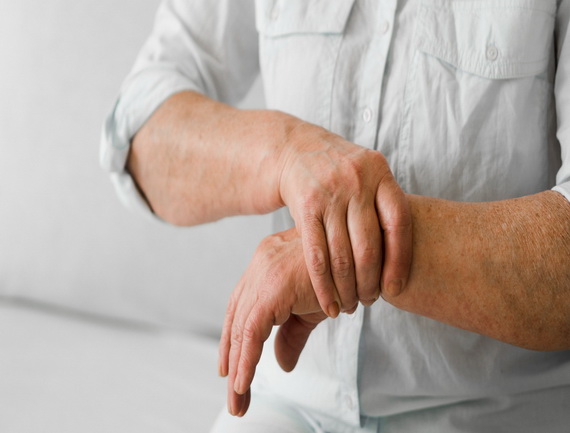
Autoimmune Rheumatic Diseases (ARDs) are a group of conditions in which the body’s immune system mistakenly attacks its own joints, muscles, connective tissues, blood vessels, and organs.
These disorders can cause chronic pain, swelling, stiffness, fatigue, and inflammation that may affect daily activities and overall quality of life. Early diagnosis and timely treatment play a vital role in preventing complications and improving long-term health outcomes.
Symptoms may vary depending on the specific condition, but common signs include:
If left untreated, autoimmune rheumatic diseases may lead to joint deformities, organ damage, and reduced mobility.

Rheumatoid arthritis is an ongoing, called chronic, condition that causes pain, swelling and irritation, called inflammation, in the joints. But it also can damage other parts of the body.
Read More
Juvenile Idiopathic Arthritis (JIA) is a term used to describe a group of chronic inflammatory joint diseases that affect children under the age of 16.
Read More
Early signs of ankylosing spondylitis often involve stiffness and pain, especially in the lower back and hips.
Read More
Systemic Lupus Erythematosus (SLE) is a chronic autoimmune disease where the immune system mistakenly attacks healthy tissues in the body.
Read More
Reactive Arthritis is a type of inflammatory arthritis that develops in response to an infection, typically in the urinary tract, genitals, or intestines.
Read More
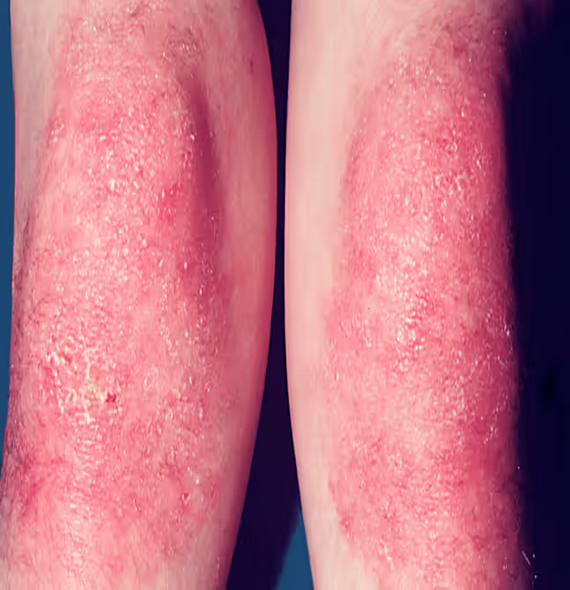
Psoriatic Arthritis is a chronic autoimmune condition that affects some people who have psoriasis, a skin disease that causes red, scaly patches.
Read More
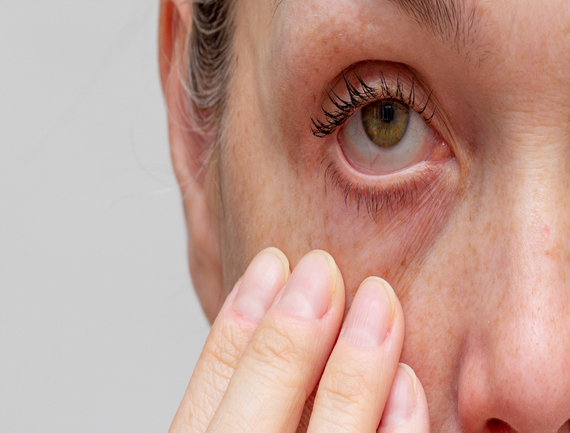
Sjogren's Syndrome is a chronic autoimmune disorder that primarily affects the glands responsible for producing tears and saliva. It leads to dryness in the eyes and mouth, along with fatigue and joint pain.
Read More
Systemic Sclerosis is a chronic autoimmune condition that causes hardening and tightening of the skin and can affect internal organs such as the lungs, heart, and digestive system.
Read More
Mixed Connective Tissue Disease (MCTD) is a rare autoimmune condition that shows overlapping features of lupus, scleroderma, and polymyositis.
Read More
Dermatomyositis is a rare inflammatory autoimmune disease that primarily affects the skin and muscles, causes progressive muscle weakness and distinctive skin rashes.
Read More
Polymyositis is a long-term, or chronic, inflammatory muscle disease that causes progressive weakness in the skeletal muscles, those closest to the trunk like the shoulders, hips, and thighs.
Read More
Takayasu's Arteritis is a rare, chronic inflammatory disease that affects the large arteries, inflammation causes the artery walls to thicken, narrow, or become blocked, reducing blood flow to parts of the body.
Read More
Related inflammatory conditions that primarily affect older adults. GCA causes inflammation in the blood vessels, while PMR results in stiffness and pain in the shoulders and hips.
Read More
CPPD Arthropathy are common crystal induced joint disorders. Gout results from uric acid buildup forming crystals in joints, while CPPD involves calcium pyrophosphate crystals,cause sudden joint pain, swelling, and inflammation.
Read More
GPA and MPA are rare autoimmune vasculitic diseases that cause inflammation of small to medium-sized blood vessels. Conditions can affect organs such as the lungs, kidneys, sinuses, and skin.
Read More
Polyarteritis Nodosa is a rare and long term condition that causes inflammation in medium-sized blood vessels. This inflammation can reduce blood flow and lead to damage in various organs, including the skin, kidneys, nerves, muscles, and digestive system.
Read More
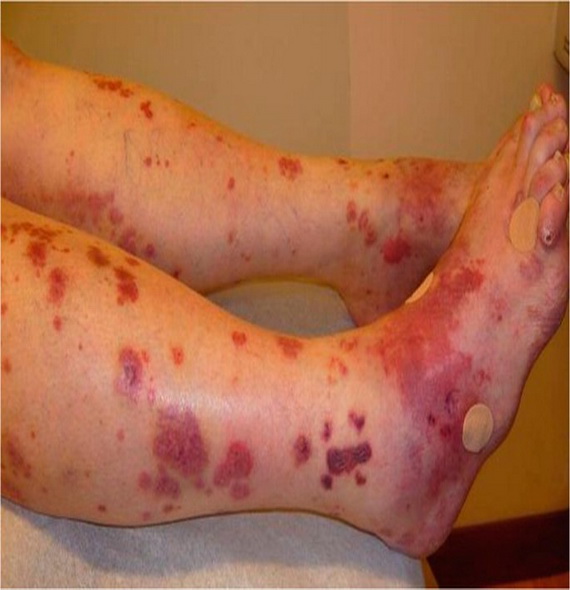
Henoch Schönlein Purpura is a rare condition that causes inflammation of the small blood vessels. Inflammation can result in bleeding under the skin and affect organs such as the joints, intestines, and kidneys. Usually causes a distinctive rash, abdominal pain, and joint swelling.
Read More
Haemophilic Arthropathy is a joint condition that results from repeated bleeding into the joints, commonly seen in individuals with haemophilia. Over time, this bleeding damages the cartilage and joint lining, leading to pain, stiffness, and reduced mobility.
Read More
Metabolic Arthropathies are joint disorders caused by abnormalities in the body’s metabolism, trigger inflammation in the joints, leading to sudden pain, swelling, and redness. Gout often affects the big toe, while pseudogout may involve the knees, wrists, or ankles.
Read More