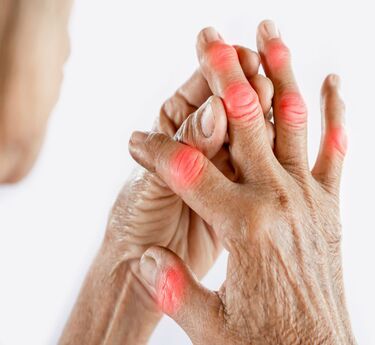

Rheumatoid arthritis is an ongoing, called chronic, condition that causes pain, swelling and irritation, called inflammation, in the joints. But it also can damage other parts of the body. These may include the skin, eyes, lungs, heart and blood vessels. Rheumatoid arthritis happens when the immune system attacks its own body's tissues by mistake. This is called an autoimmune condition. Rheumatoid arthritis differs from the more common osteoarthritis. Some people have both. Osteoarthritis causes damage to joints from overuse. Rheumatoid arthritis affects the lining of the joints and eats away at the bone under them. This causes a painful swelling that can cause joints to bend out of shape over time, called deformity.
The inflammation of rheumatoid arthritis also can damage other parts of the body. New medicines have improved treatment choices greatly. But rheumatoid arthritis still can cause long-term damage and increase the risk of heart disease.
Rheumatoid arthritis is a chronic condition that causes inflammation in the joints, leading to discomfort, stiffness, and long-term complications if left unmanaged.
Diagnosing rheumatoid arthritis early is vital, but initial symptoms often resemble other joint conditions, making it challenging.
While rheumatoid arthritis has no cure, early use of DMARDs and personalized care plans can help achieve long-term remission.
Rehabilitation and, if necessary, surgery can support mobility, reduce pain, and improve joint function when medication isn’t enough.